
Accurate Leak Location
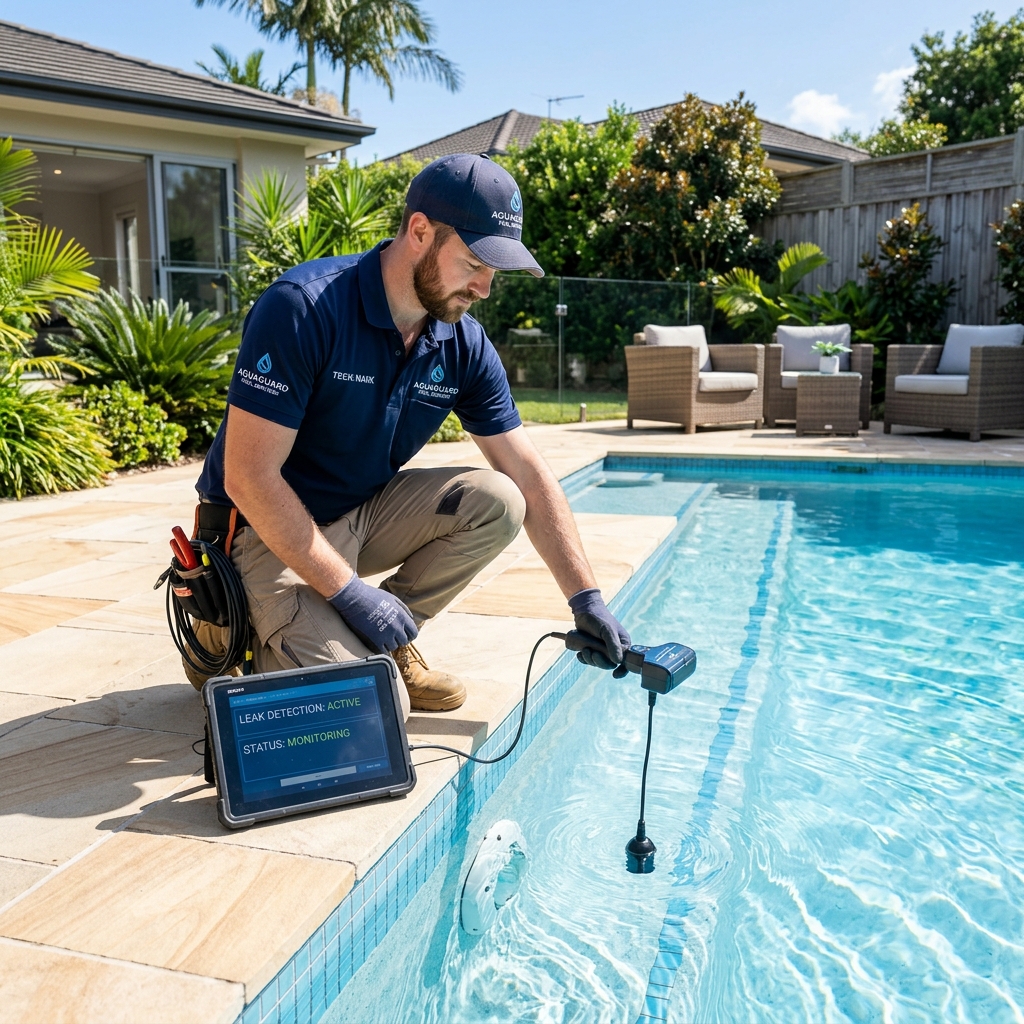
Pressure testing, dye testing, and acoustic equipment help us identify exactly where water is escaping — shell, plumbing, fittings, or equipment.
Is your pool losing water faster than normal? A hidden pool leak can waste thousands of gallons each month, damage surrounding decking, erode soil beneath your foundation, strain your pool equipment, and drive up water bills — especially during McKinney's intense summer heat when evaporation masks the real problem.
Our McKinney pool leak detection team uses pressure testing, non-toxic dye testing, acoustic listening equipment, and electronic leak detection to accurately pinpoint leaks in pool shells, underground plumbing lines, skimmers, return fittings, main drains, lights, spas, and equipment pads — without unnecessary digging or demolition.
Trusted across McKinney, Stonebridge Ranch, Craig Ranch & North Dallas
Pool Leak Specialists
Pool leaks require systematic testing — not guesswork. We inspect every zone of your pool system, identify the exact leak source, and explain the findings before any repair work begins. Our approach helps McKinney pool owners avoid unnecessary demolition and repeated water loss.
Pressure testing, dye testing, and acoustic equipment help us identify exactly where water is escaping — shell, plumbing, fittings, or equipment.
Our technicians understand pool plumbing, shell construction, equipment systems, and how McKinney's clay soil impacts pool structures over time.
We locate the leak before any digging begins, helping protect your deck, landscaping, and pool surface from unnecessary damage.
We explain what we found, where the leak is, what caused it, and which repair options are available — before you approve any work.
Designed for McKinney Pool Owners
Schedule a professional pool leak inspection and get clear answers about where your water is going and what needs to happen next.
Our Services
From unexplained water loss to visible cracks and equipment problems, our specialists locate the source of pool leaks accurately so repairs target the right area.
If your pool is losing water faster than normal, the issue may be more than evaporation. We inspect the pool system, surfaces, plumbing, equipment, and deck to identify where water is escaping.
Find My Pool Leak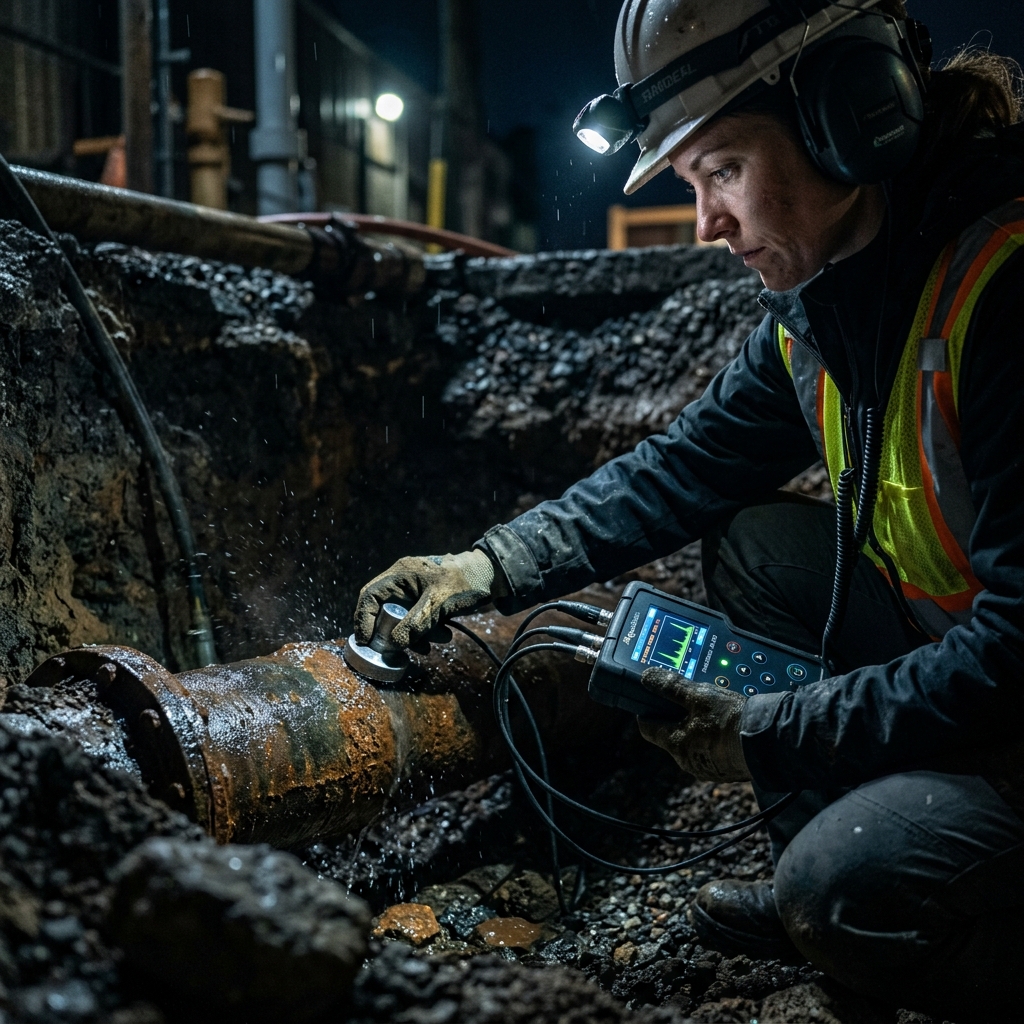
Underground Testing
Leaks in buried pool plumbing — suction lines, return lines, main drain lines, or cleaner lines — are found using pressure testing and isolation methods.
Call for Plumbing TestPressure testing helps determine whether a pool plumbing line is holding pressure or losing water underground. This is critical when the leak is not visible but water loss continues.
Request Pressure Test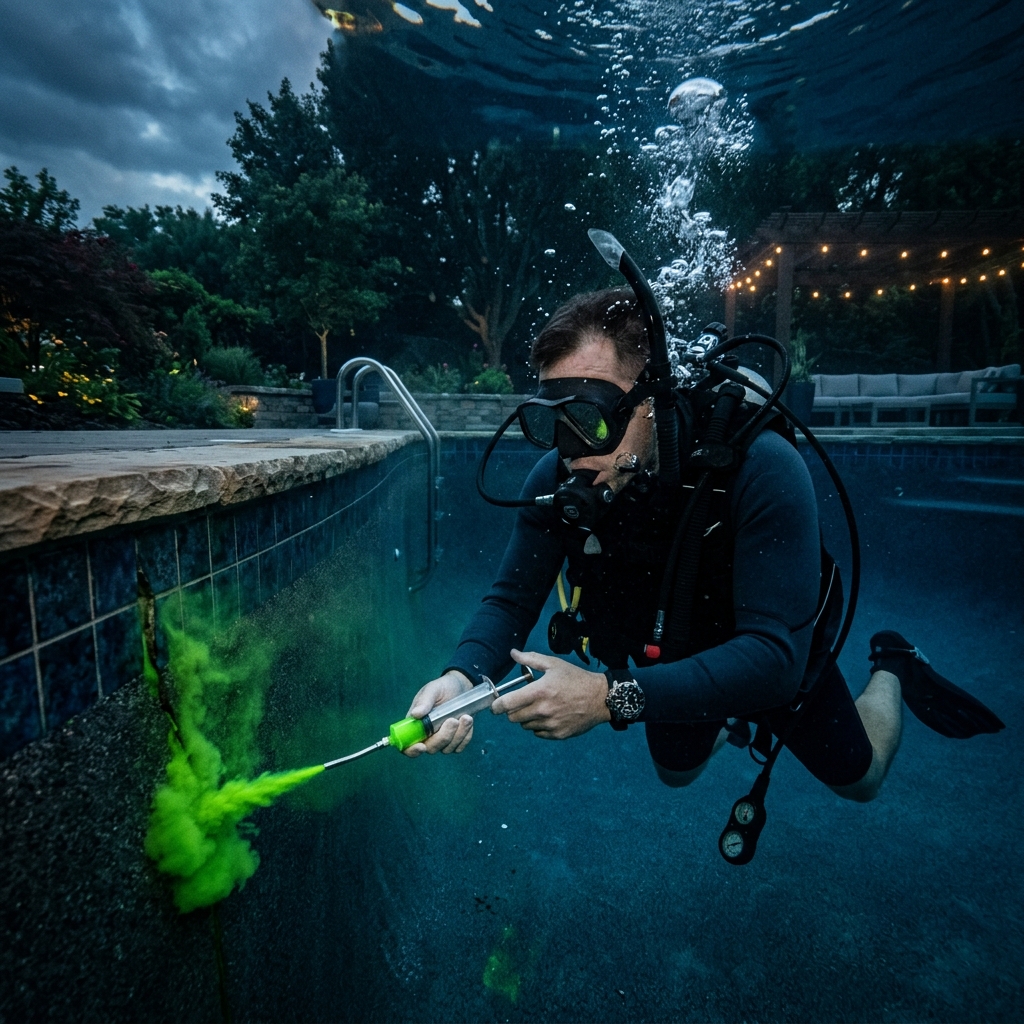
Common Leak Source
Pool skimmers are one of the most common leak points — cracks around the throat, faceplate separation, and gasket failure can allow water to escape continuously.
Inspect My SkimmerCracks, surface damage, worn fittings, light niches, and structural movement can allow water to leak through the pool shell. We inspect gunite, plaster, concrete, fiberglass, and tiled pool surfaces.
Check Pool Shell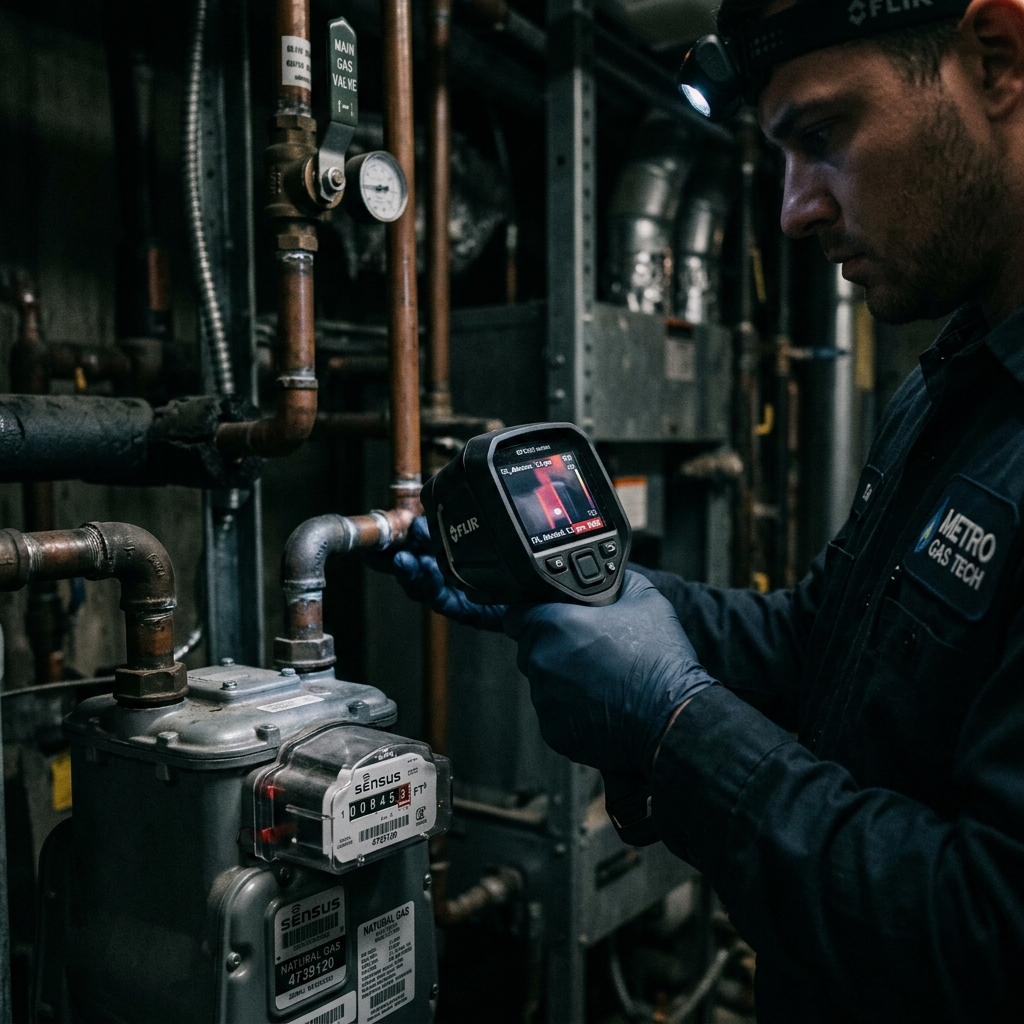
Full System Check
Attached spas, pumps, filters, valves, heaters, and equipment pad connections can all develop leaks over time. We inspect the full system to find the source.
Call for Equipment InspectionIf your pool is dropping several inches per day, water is flooding your yard, or you see significant erosion around the pool, contact our team for urgent leak detection support.
Call for Assistance (469) 837-2954Start with a professional pool leak inspection so the source and location of the water loss can be confirmed.
A pool leak is any crack, separation, failed seal, or plumbing break that allows water to escape from your swimming pool system. In McKinney, TX, pool leaks commonly develop due to shifting clay soil that moves pool structures, temperature cycling that stresses concrete and plaster, sun-degraded gaskets and fittings, tree root intrusion into underground plumbing, and normal aging of pool materials. Because much of a pool's plumbing is buried underground, leaks can go unnoticed for weeks — causing rising water bills, soil erosion, deck damage, and even foundation problems.
Structural leaks occur in the pool shell itself — cracks in gunite, plaster delamination, failed tile grout, damaged light niches, or separation at the expansion joint where the pool meets the deck. McKinney's clay soil expansion and contraction cycle puts constant pressure on pool shells, especially older pools built before 2010.
Plumbing leaks happen in the underground pipe network — suction lines, return lines, main drain lines, or spa connections. Equipment leaks can develop at pump seals, filter unions, heater connections, or valve joints. These leaks are often invisible because the pipes are buried beneath the concrete deck or slab, making professional pressure testing essential for accurate detection.
Not sure where your pool leak is coming from?
Get a Pool Leak InspectionAvailable 24/7 for McKinney & Collin County Residents
Warning Signs
Pool water loss is not always visible. If you notice one or more of these warning signs, your pool may have a hidden leak that requires professional detection.
Early Detection Saves Money
A professional pool leak inspection can reveal where water is escaping — shell cracks, plumbing breaks, skimmer failures, or equipment leaks — before the problem causes structural damage.
Schedule an InspectionIf your pool loses more than a quarter-inch of water per day beyond normal evaporation, there is likely a leak somewhere in the system.
Persistent algae even with regular chemical treatments may signal leaking water that dilutes your pool chemicals and disrupts water balance.
Visible cracks in the pool plaster, tile, or surrounding deck — especially those that widen over time — often point to leaks causing structural stress.
Wet spots, sunken areas, or soft ground around your pool's perimeter — even away from the immediate edge — suggest water escaping from the pool structure or plumbing.
A sudden spike in your monthly water bill — especially if your auto-fill is running more frequently — can indicate a continuous pool leak that your system is compensating for.
Rapid Water Loss?
If your pool is dropping several inches per day, turn off equipment to prevent pump damage and contact our team immediately.
Our Process
From the initial assessment to the final findings report, our process focuses on accurately locating the leak source with minimal disruption to your pool and property.
Step One
We discuss your observations — water level changes, equipment behavior, chemical imbalances — and perform a visual inspection of the pool, deck, and equipment pad.
Step Two
We isolate and pressure test each plumbing line — skimmer, returns, main drain, cleaner line, spa lines — to determine whether the leak is in the underground piping system.
Step Three
Acoustic equipment detects the sound of water escaping through pipes. Non-toxic dye is applied around suspected leak points — skimmers, return fittings, lights, cracks — to visually confirm water movement.
Step Four
For hard-to-find structural leaks or vinyl liner pools, electronic detection equipment sends a low-voltage current through the water to pinpoint tiny holes, tears, or cracks.
Step Five
Once the leak is found, we mark its exact location and provide a detailed report with the cause and recommended repair options so you can make an informed decision.
Start with an accurate diagnosis of your pool leak.
Call (469) 837-2954The right detection method depends on the type of pool, the suspected leak location, and whether the issue is structural or plumbing-related. We use multiple complementary techniques to ensure accuracy.
Non-toxic dye is applied around suspected leak points — skimmer throats, return fittings, lights, cracks, and tile lines — to visually confirm where water is being drawn out of the pool.
Learn MoreEach plumbing line is isolated and pressurized — skimmer, returns, main drain, cleaner, spa — to determine if the leak is underground. A pressure drop confirms the leaking line.
Schedule TestA low-voltage current is sent through the pool water to pinpoint tiny holes, tears, or cracks in the pool shell or vinyl liner — ideal for hard-to-find structural leaks.
Learn MoreSpecialized acoustic equipment amplifies the sound of water escaping through pipe walls, joints, or fittings beneath the deck — helping locate plumbing leaks without excavation.
Learn MoreA thorough visual inspection of the pool surface, fittings, drains, lights, expansion joints, pump seals, filter unions, heater connections, and valves for visible signs of leakage.
Learn MoreOur pool leak detection team serves McKinney, TX and nearby North Dallas communities with fast response times, accurate leak detection, and professional repair support.
Not on the list? Call us — we likely cover your area.
McKinney, TX
Primary service coverage area
Local Response
Fast pool leak detection support across McKinney and nearby communities.
Pricing Breakdown
Pool leak detection in McKinney TX typically ranges from $150 for a basic visual and dye test inspection to $500 or more for comprehensive multi-zone pressure testing and electronic detection.
Larger pools with more plumbing lines, attached spas, water features, or custom builds require more testing zones and take longer to inspect.
Leaks in easily visible areas (equipment pad, skimmer) are faster to find than leaks buried in underground plumbing or hidden beneath the pool shell.
Basic dye testing and visual inspection cost less than comprehensive pressure testing or electronic detection, which require specialized equipment and more time.
Some pools have multiple leak points — a cracked skimmer and a failed return fitting, for example. Identifying each leak takes additional testing time.
Tip: Ignoring a pool leak doesn't just waste water — it can saturate McKinney's expansive clay soil, causing deck heaving, foundation shifts, and structural damage that costs far more than early detection and repair.
For an accurate estimate tailored to your specific pool leak, contact us for a professional assessment.
Request Free EstimateHomeowners across McKinney and North Dallas trust us for accurate, non-invasive pool leak detection.
"Our pool was losing about an inch of water a day. We thought it was evaporation until the water bill came. Leak Detection McKinney found a crack in the return line fitting within two hours using dye testing. Saved us from tearing up the deck unnecessarily."
"We kept having to add water and our chemical balance was constantly off. The team pressure tested every line and found the skimmer was leaking behind the faceplate. Quick, professional, and they explained everything clearly before recommending the repair."
"Had a soggy area forming near our pool deck. We were worried about foundation damage. The leak detection team found a broken underground return line and marked the exact spot. They didn't try to sell us on anything extra — just honest, thorough work."
Get clear answers about pool leak detection costs, warning signs, inspection methods, and what happens after we find the leak in McKinney, TX.