
$
High Water Bill
A sudden spike in the water bill at a Princeton home — even in a brand-new subdivision — often signals a slow-running slab leak, underground service line break, or irrigation pipe failure wasting water continuously.
Princeton, TX is one of the fastest-growing communities in northeast Collin County — a city where brand-new subdivisions are expanding rapidly along the US-380 corridor while established rural properties and older homes anchor the original town center. New construction homes face slab leak risk from PEX fitting failures, clay soil settlement, and irrigation system breaks. Rural Princeton properties carry the added challenge of longer underground service runs, well systems, and aging pipe materials. Our Princeton leak detection team uses non-invasive acoustic, thermal, and pressure testing to locate hidden leaks across all property types before any costly demolition or excavation begins.
New PEX & foundation testing.
Multi-zone system leak tracing.
Service line & yard pipe detection.
Urgent response for Princeton homeowners.
Fill out the form and our team will respond quickly about your Princeton leak issue.
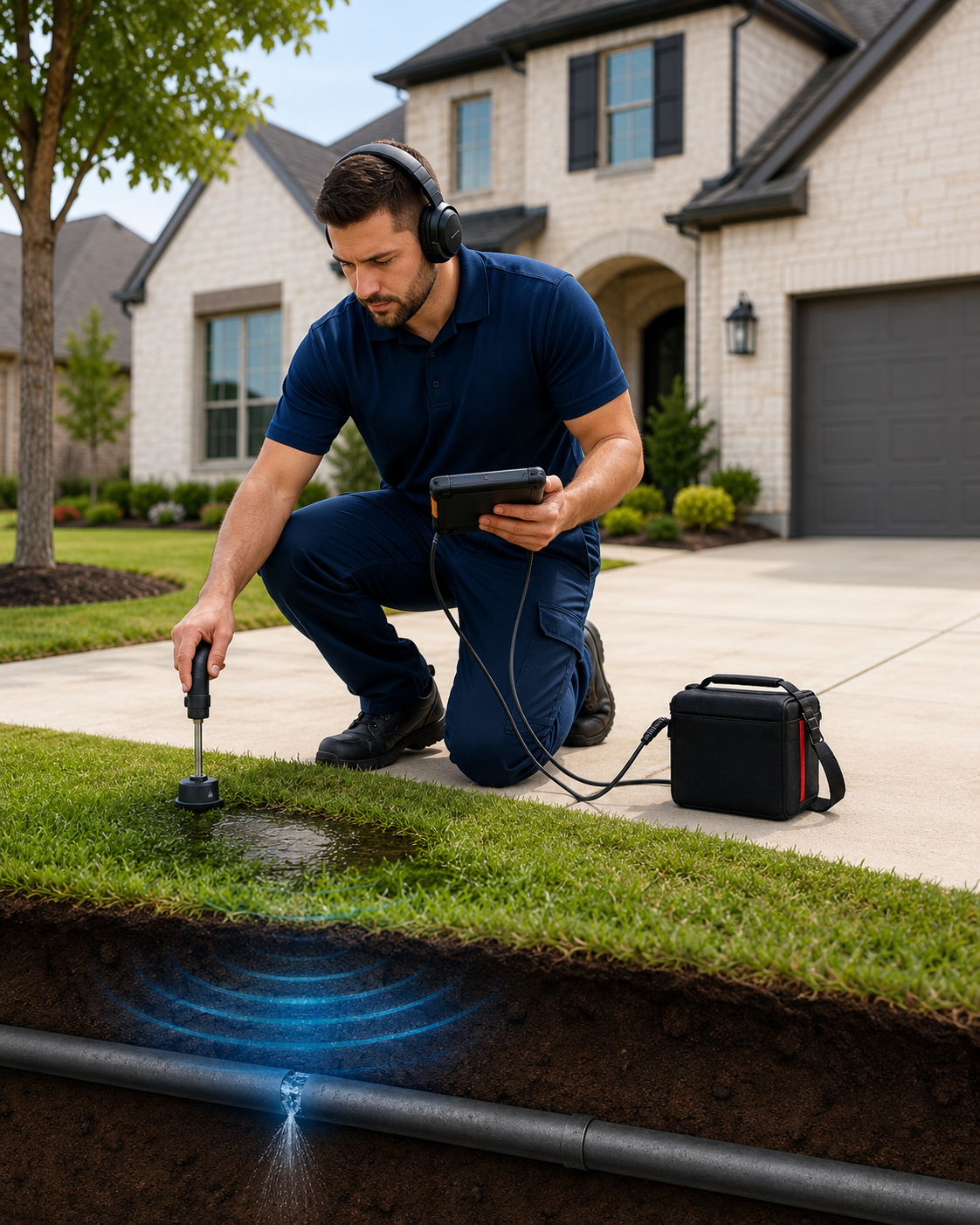
Princeton is one of the fastest-growing cities in North Texas, with thousands of new homes under construction along US-380 and FM 982. Subdivisions like Lakes of Princeton, Malabar Hills, Heritage Crossing, and Princeton Crossroads feature modern PEX plumbing, multi-zone irrigation, and fresh concrete slabs — all sitting on Blackland Prairie clay that shifts with every weather cycle. Meanwhile, established Princeton properties closer to the original town center and surrounding rural areas carry the risks of aging pipe materials, longer underground service runs, and well/septic systems. Our detection approach adapts to the specific pipe material, home age, soil conditions, and property layout to locate every type of hidden leak accurately.
Princeton's rapidly growing subdivisions use PEX plumbing that can still develop slab leaks from clay soil settlement, fitting failures, and construction-related debris. We detect these issues without tearing open new floors or walls.
Princeton's Blackland Prairie clay swells when wet and shrinks during dry periods — creating ongoing mechanical stress on PEX supply lines, irrigation pipes, and underground service runs beneath every slab and yard in the area.
Whether it's a brand-new subdivision home, an established Princeton property near the town center, a rural lot with a long underground service run, or a home with a multi-zone irrigation system — our process adapts to each situation.
We document all findings in writing — useful for coordinating with a plumber, supporting an insurance claim, or discussing a warranty situation for Princeton homeowners in newer subdivisions.
We serve homeowners across Princeton's primary ZIP code 75407 and surrounding communities — including subdivisions and areas such as Lakes of Princeton, Malabar Hills, Heritage Crossing, Princeton Crossroads, Woodbridge, and properties along US-380, FM 982, FM 546, and CR 398. We also serve rural Princeton properties and homes on surrounding farm-to-market roads.
Both new construction and established Princeton homes produce specific warning signs when a hidden leak is present. Knowing what to look for can help you catch a leak early — before it causes foundation damage, structural issues, or months of wasted water.
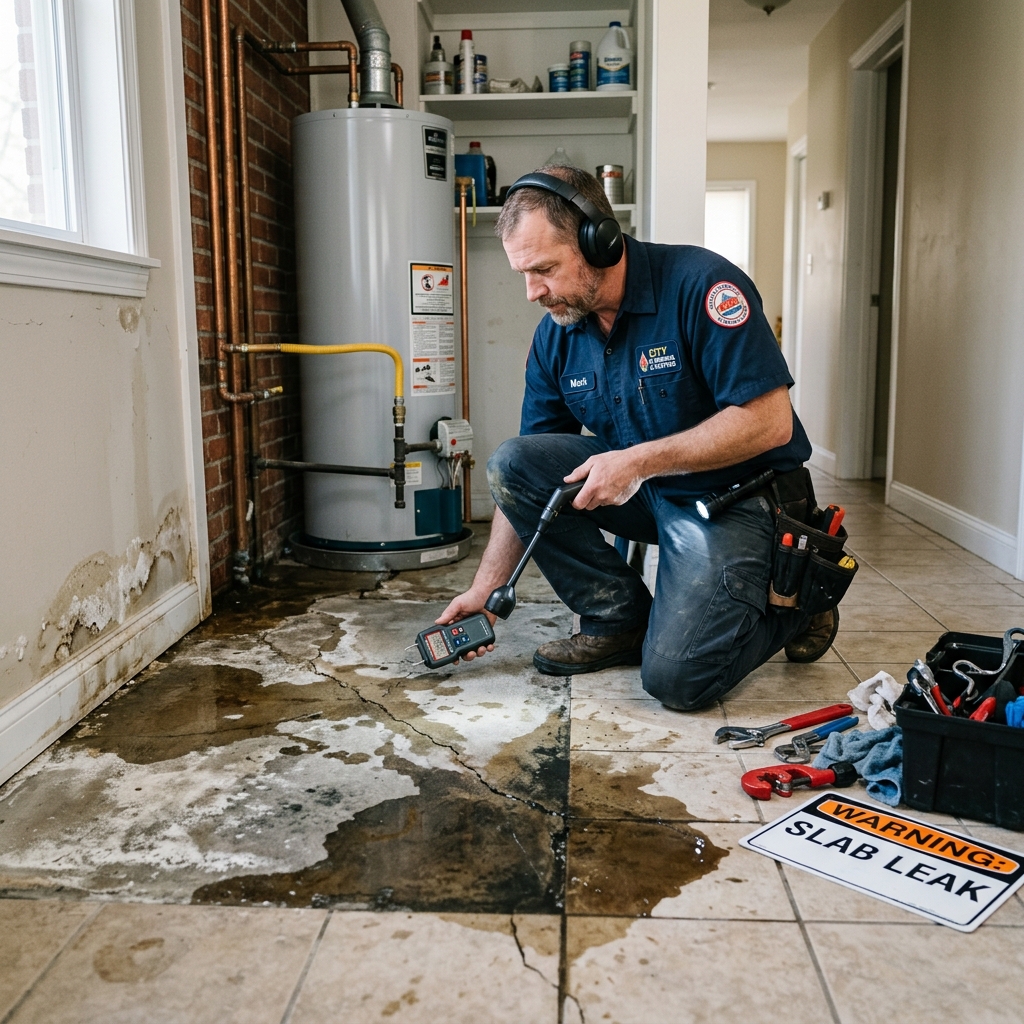
A brand-new Princeton subdivision home with PEX and a 20-year-old rural Princeton property both face hidden leak risk — the causes are different, but the damage potential from undetected water loss is the same.
A sudden spike in the water bill at a Princeton home — even in a brand-new subdivision — often signals a slow-running slab leak, underground service line break, or irrigation pipe failure wasting water continuously.
A warm or hot spot on the tile or laminate floor in a Princeton home strongly indicates a hot water supply line failure beneath the concrete slab — possible even in homes less than 5 years old on shifting clay.
Soft ground, standing water, or unusually green grass patches on a Princeton property point to an underground water line break or irrigation failure releasing water slowly beneath the surface.
Hearing water movement inside walls, beneath the floor, or near the utility room when no fixtures are in use is a consistent early indicator of an active pipe leak — in both new PEX and older pipe systems.
A pressure drop at multiple fixtures in a Princeton home can indicate a major underground service line leak, a large slab leak diverting supply water, or an irrigation system pulling water from the main supply.
Princeton's new subdivisions all feature multi-zone irrigation systems. A leaking valve, cracked zone line, or broken lateral pipe underground can waste significant water with no visible sign at the surface.
Sewer odors, persistent slow drains, or soggy soil near the home's sewer exit may indicate sewer line damage — particularly in older Princeton properties with aging cast iron or clay sewer laterals.
Sticking doors, new drywall cracks, and uneven flooring in a Princeton home can indicate that clay soil has been saturated by a long-running underground or slab leak — causing foundation movement even in newer homes.
Professional leak detection helps you identify the source before a slow, hidden leak causes escalating damage to your Princeton home's foundation, plumbing, or finishes.
From PEX slab leaks in brand-new subdivisions to irrigation failures, underground water line breaks, and hidden pipe leaks on rural Princeton properties — our team covers every leak type across East Collin County.
We locate leaking water lines beneath Princeton slabs — including PEX supply lines in new construction — using acoustic listening and thermal imaging. Clay soil settlement affects even brand-new foundations, and we detect without cutting floors first.
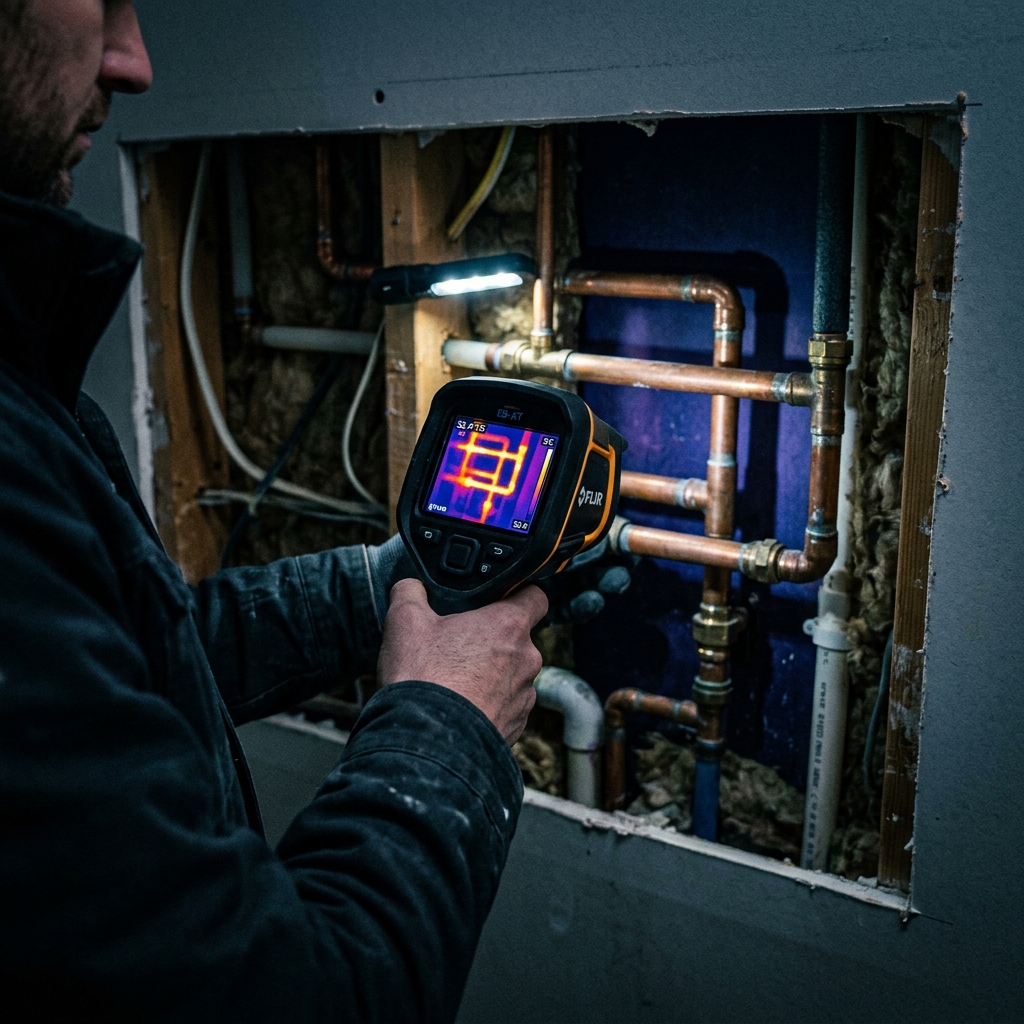
Hidden pipe leaks behind walls, below floors, or near plumbing fixtures in Princeton homes can be traced using acoustic and pressure methods — without destructive opening until the location is confirmed.
We locate leaks in underground water service lines, yard lines, and plumbing beneath driveways and landscaping at Princeton properties — especially on rural lots where the distance from the city meter to the home creates more opportunity for hidden breaks.
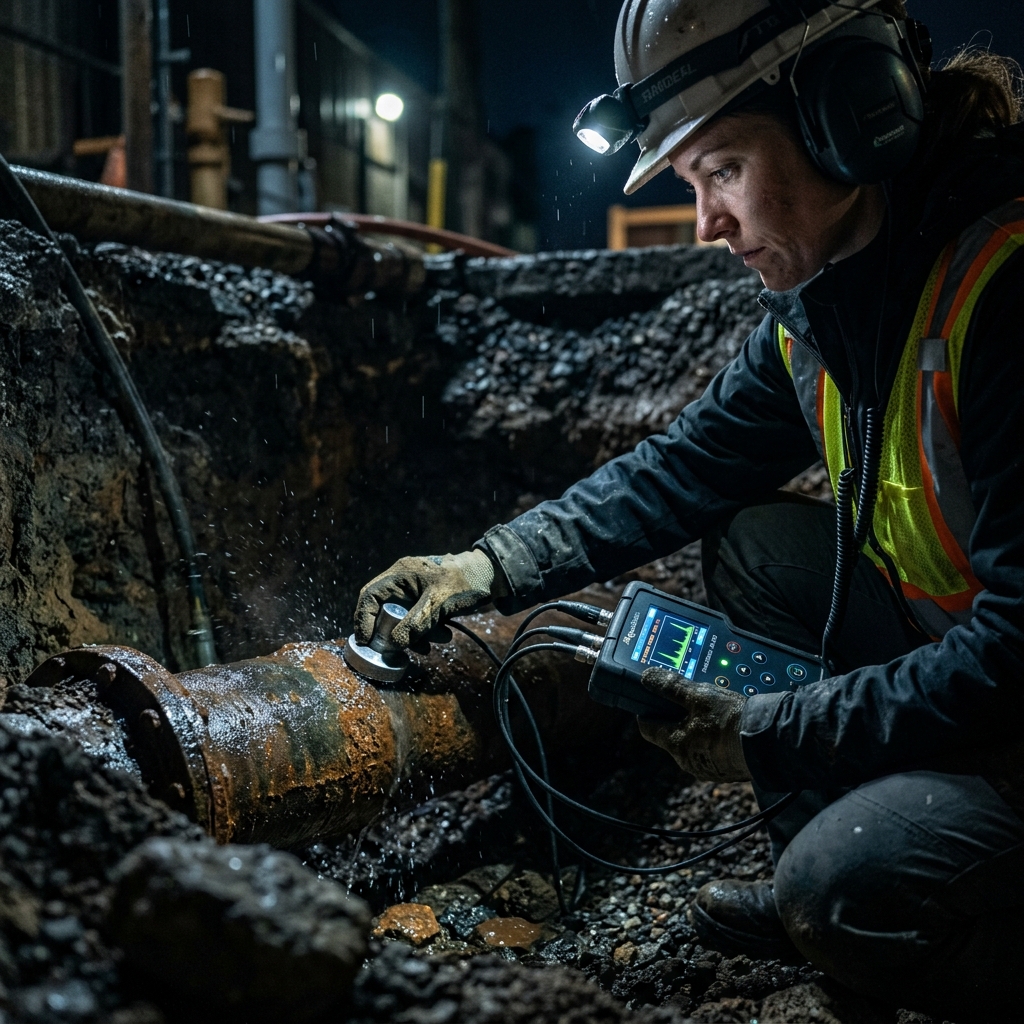
We test and locate leaks in all pressurized water supply lines serving Princeton homes — from the city meter connection through the underground yard run and into the home — covering PEX, copper, and other plumbing materials.
Princeton's new subdivisions all feature multi-zone irrigation systems. Zone valve failures, cracked laterals, and main supply line breaks underground are a leading cause of unexplained high water bills — especially during seasonal clay soil shifts.
Sewer odors, persistent slow drains, or soggy soil near the home's sewer exit may indicate sewer line damage. Older Princeton properties with cast iron or clay sewer lines are particularly susceptible to cracks and root intrusion.

As Princeton homeowners add pools to new properties, pool leak detection is becoming more common. We test shells, skimmers, return lines, equipment pads, and underground pool plumbing without unnecessary excavation.
If active water damage is occurring or your meter keeps spinning in a Princeton home, emergency leak detection can find the source quickly — reducing damage and preventing an escalating water bill.
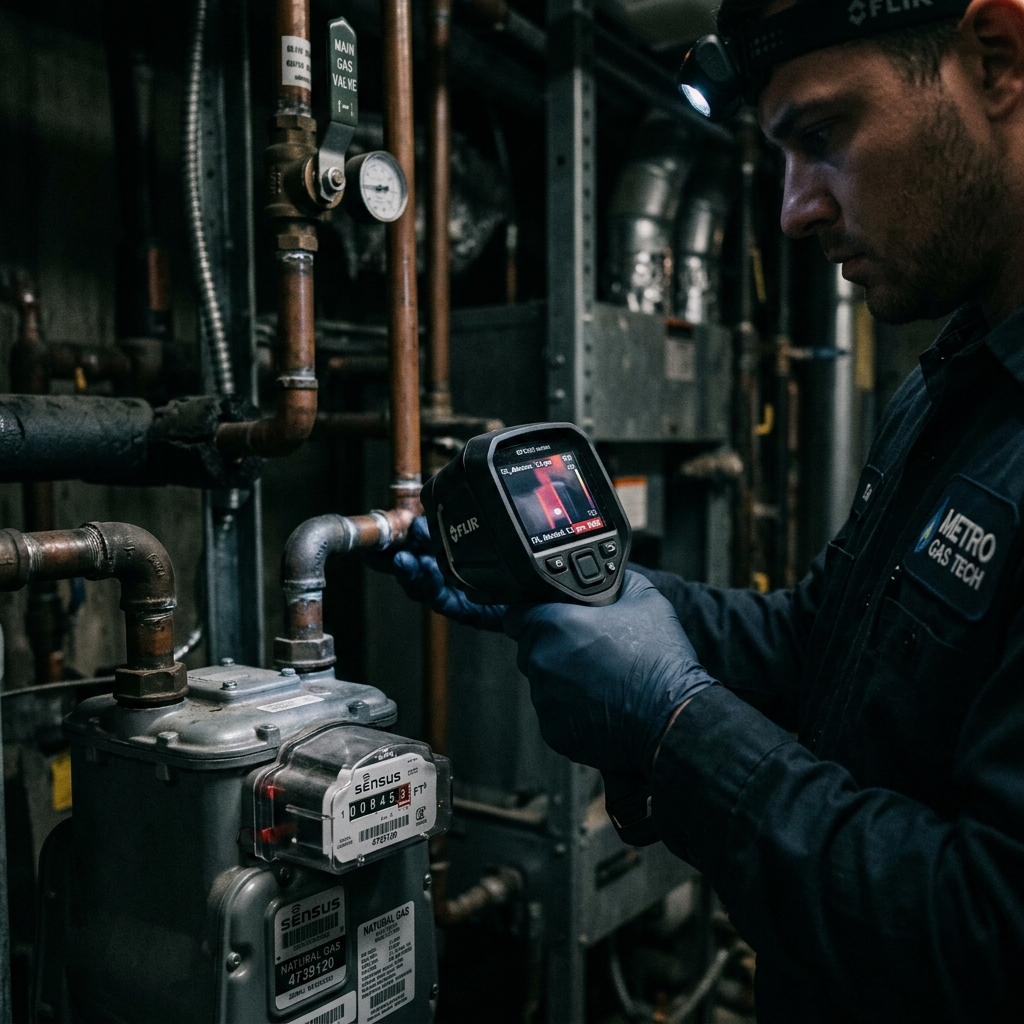
If you smell gas or suspect a gas leak at your Princeton property, evacuate immediately and call your gas provider or 911. For plumbing-related gas line concerns, schedule a professional inspection only after the immediate safety hazard is resolved.
Consistently delivering high-quality results for our local clients.
Dedicated to complete customer satisfaction on every job.
Always available to handle your urgent property needs.
Our detection process accounts for the age of the home, the pipe material installed, the lot size, soil conditions in Princeton, and the type of leak suspected — delivering accurate results regardless of property age or construction type.
We gather details about your situation — water bill spike, wet yard, warm floor, irrigation issues — and note the age and type of your Princeton home's plumbing to prepare the right approach.
We inspect the foundation, yard, water meter, plumbing access points, irrigation controller, and visible pipe conditions for clues that help us select the right detection method for your Princeton property.
Based on the inspection findings, we apply acoustic listening, thermal imaging, pressure isolation, irrigation zone testing, or pipe pressure decay testing — selected specifically for your Princeton home's plumbing system and symptoms.
We identify the probable leak location and explain what the testing results indicate — including the pipe material, system zone, or underground component involved — and whether multiple leak sources may exist.
You receive written documentation of findings and clear next-step guidance — whether that means coordinating with a plumber, filing a builder warranty claim, submitting to insurance, or discussing repair options for your Princeton property.
Our leak detection team serves Princeton, TX and surrounding communities in east Collin County — including new subdivisions, rural properties, and homes along the US-380 and FM 982 corridors.
Not on the list? Call us — we likely cover your area.
Princeton, TX
Primary service coverage area
Local Response
Fast leak detection across all Princeton ZIP codes, subdivisions, and rural properties.
Leak detection pricing in Princeton depends on the type of leak, the plumbing material, the size of the lot, access conditions, and the testing method required. New construction and rural properties may each require different diagnostic approaches.
New Princeton homes with PEX plumbing require different detection methods than older properties with copper or galvanized systems — each pipe material responds differently to acoustic and pressure testing.
Slab leaks, underground service line breaks, irrigation zone failures, pool plumbing issues, and sewer line problems each require a different detection approach and testing method in Princeton.
Rural Princeton properties with longer underground service runs, well systems, or limited road access may require additional time for comprehensive testing and equipment positioning.
Acoustic listening, thermal imaging, pressure isolation, irrigation zone testing, and sewer camera inspection are each selected based on what the Princeton property inspection reveals about the likely leak source.
Active leaks in Princeton's clay soil environment worsen quickly. Fast scheduling gives homeowners the information they need before foundation movement, flooring damage, or severe water bills occur.
For Princeton homes — especially new builds under warranty — accurate source location is critical for getting repairs covered and avoiding unnecessary damage to new flooring and finishes.
Princeton homeowners deserve a realistic picture of what was found — including whether the detected leak is an isolated event or part of a broader plumbing condition — so they can make informed repair decisions.
Non-invasive detection protects Princeton homes from unnecessary wall opening, floor cutting, or yard excavation while still providing the accurate source location needed for effective repairs.
Princeton homeowners — in brand-new subdivisions and established rural properties — trust Leak Detection McKinney for accurate, non-invasive leak detection that saves time and protects their investment.
"We moved into our new Princeton subdivision home less than a year ago and noticed a warm spot near the master bath. The builder couldn't find anything. Leak Detection McKinney used acoustic equipment and found a PEX fitting failure beneath the slab. They gave us a written report that made the builder's warranty team take action immediately. Incredible service."
"Our irrigation bill spiked $300 in one month at our Princeton home. Three zones were running fine, but Leak Detection McKinney found a cracked lateral line on zone 4 buried about a foot underground. No digging until they knew the exact spot. The irrigation company fixed just that section the same week. Saved us from a huge yard excavation."
"We have a rural property east of Princeton with a long water supply line from the road. The meter was spinning slowly every day. Leak Detection McKinney walked the entire run with acoustic equipment and found a crack about 120 feet from the house. Without them we would have been digging up the entire yard blindly. Professional and thorough."
Clear answers for Princeton homeowners — covering new construction PEX slab leaks, underground water line failures, irrigation breaks, rural property detection, and clay soil impact.